
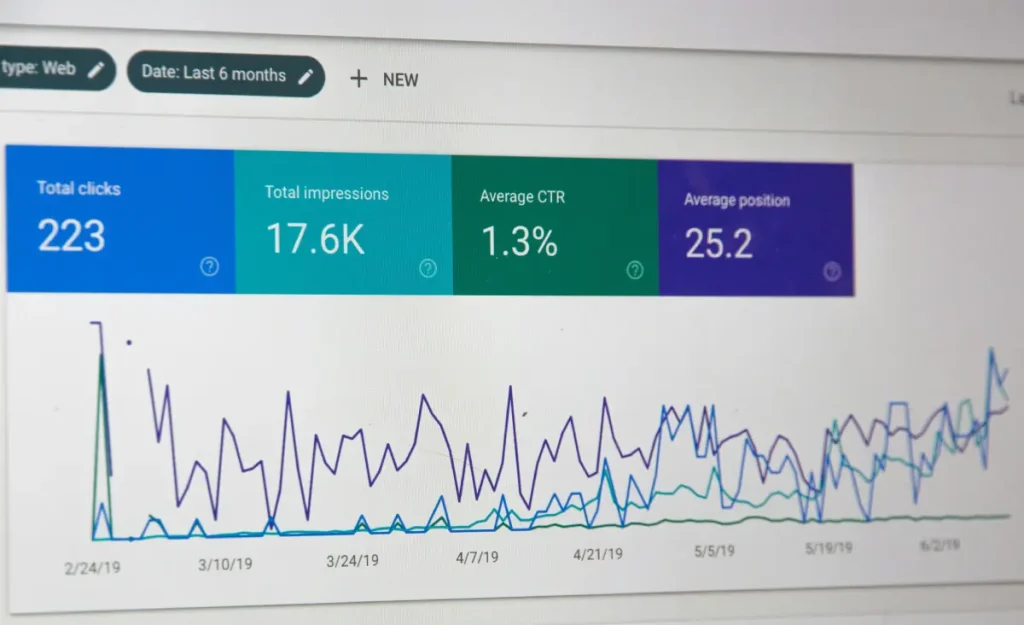
Search engine optimization isn’t guesswork anymore. If you’re investing time or money into SEO, you must know whether it’s working. That’s where measuring SEO success using Google Analytics becomes essential. Without data, even the best strategy feels like shooting arrows in the dark.
Google Analytics gives you real, actionable insights. It tells you who visits your site, how they behave, and whether they convert. More importantly, it helps connect SEO efforts with business outcomes. In today’s competitive digital space, relying on assumptions simply won’t cut it.
This guide explains, step by step, how to measure SEO success using Google Analytics in a practical, business-focused way. The language is simple, the examples are realistic, and the methods are proven. Let’s dive in.
Why Google Analytics Is Essential for SEO Tracking
Google Analytics is more than a traffic counter. It’s a decision-making tool. When used correctly, it shows the true impact of SEO.
Here’s why it matters:
- It tracks organic traffic trends
- It measures user engagement
- It connects SEO to leads and sales
- It reveals content performance
- It supports data-driven SEO decisions
Unlike rank-tracking tools, Google Analytics focuses on what happens after users land on your website. That’s where real SEO success lives.
According to Google’s own documentation, Analytics helps businesses understand customer behavior across devices and platforms .
Setting Up Google Analytics for Accurate SEO Measurement
Before you measure anything, your setup must be correct. A poor setup leads to misleading data.
Linking Google Search Console
Connecting Search Console with Google Analytics is crucial. It allows you to see:
- Search queries
- Impressions and clicks
- Average search position
- Landing page performance from search
This connection bridges the gap between search visibility and on-site behavior.
Configuring Goals and Events
Goals turn SEO traffic into measurable outcomes. Examples include:
- Contact form submissions
- Phone number clicks
- Newsletter sign-ups
- Purchases
Events track user interactions like button clicks or downloads. Together, goals and events allow precise SEO ROI tracking.
Understanding Organic Traffic in Google Analytics
Organic traffic is the foundation of SEO measurement. But not all traffic metrics are equal.
Users vs Sessions vs Pageviews
- Users: Unique visitors from search engines
- Sessions: Total visits, including repeat visits
- Pageviews: Total pages viewed
When measuring SEO success using Google Analytics, focus more on users and engaged sessions, not raw pageviews.
A healthy SEO strategy shows:
- Gradual growth in organic users
- Stable or improving engagement
- Reduced dependency on paid traffic
Measuring SEO Success Using Google Analytics with Engagement Metrics
Traffic alone doesn’t mean success. Engagement tells the real story.
Bounce Rate
A high bounce rate may indicate:
- Poor content relevance
- Slow page speed
- Weak search intent match
However, bounce rate should always be interpreted alongside time and conversions.
Average Engagement Time
Engagement time shows how long users actively interact with your content. Higher engagement usually signals:
- Better content quality
- Stronger keyword alignment
- Improved user experience
When engagement improves, search performance often follows.
Tracking Keyword Performance Indirectly
Google Analytics doesn’t show all keywords directly. But that’s okay.
You can still measure keyword success by analyzing:
- Landing pages
- Organic traffic growth per page
- Conversion rate by page
- Engagement trends
Combine Analytics data with Search Console for a clearer picture. This indirect approach is still one of the most reliable ways to measure SEO success using Google Analytics.
Measuring SEO Success Using Google Analytics Through Conversion Tracking
Conversions turn SEO into revenue. Without conversion tracking, SEO remains incomplete.
Lead Generation Goals
For service-based businesses, track:
- Contact form submissions
- Call clicks
- Quote requests
This shows which pages and keywords drive real leads.
E-commerce Tracking
For online stores, enable e-commerce tracking to measure:
- Revenue from organic traffic
- Product performance
- Average order value
- Conversion rate
This is where SEO proves its financial value.
Landing Page Performance Analysis
Landing pages are SEO battlegrounds. Each page should have a purpose.
Analyze landing pages by:
- Organic sessions
- Engagement time
- Bounce rate
- Conversion rate
Pages that attract traffic but don’t convert may need better CTAs or improved content alignment.
Behavior Flow and User Journey
Behavior Flow shows how users move through your site.
It helps you:
- Identify drop-off points
- Understand content paths
- Improve internal linking
A smooth user journey improves both conversions and SEO signals.
Measuring SEO Success Using Google Analytics for Local SEO
Local SEO success looks different from global SEO.
Track:
- Organic traffic from local regions
- Visits to contact or location pages
- Clicks on phone numbers and maps
These metrics help local businesses connect SEO with real-world actions.
Technical SEO Insights from Analytics
Google Analytics also reveals technical issues indirectly, such as:
- High bounce rates from slow pages
- Device-specific engagement problems
- Poor performance on certain browsers
Fixing these issues improves user experience and SEO performance together.
Common SEO Measurement Mistakes to Avoid
Avoid these pitfalls:
- Focusing only on rankings
- Ignoring conversion data
- Misreading bounce rate
- Not segmenting organic traffic
- Measuring short-term results only
SEO success is cumulative. Patience and consistency matter.
Frequently Asked Questions (FAQs)
1. How long does it take to measure SEO success using Google Analytics?
Usually 3–6 months for meaningful trends, depending on competition and strategy.
2. Is organic traffic the best SEO metric?
It’s important, but conversions and engagement matter more.
3. Can Google Analytics track keyword rankings?
Not directly. Use Search Console alongside Analytics.
4. What’s the most important SEO metric in Google Analytics?
Conversions from organic traffic are the most valuable.
5. How often should SEO performance be reviewed?
Monthly reviews work best for long-term insights.
6. Is GA4 good for SEO tracking?
Yes. GA4 offers better engagement and event tracking than Universal Analytics.
Conclusion
Measuring SEO success using Google Analytics isn’t complicated—but it does require clarity. Focus on traffic quality, engagement, and conversions rather than vanity metrics. When you align SEO data with business goals, Analytics becomes a powerful growth tool.
SEO isn’t just about rankings anymore. It’s about outcomes. With the right approach, Google Analytics shows exactly how SEO contributes to real success.